Service 04

Technical AI
Readiness
Audit

A forensic analysis of every technical layer affecting how search engines and AI models crawl, understand, and trust your site — followed by a prioritised fix roadmap.

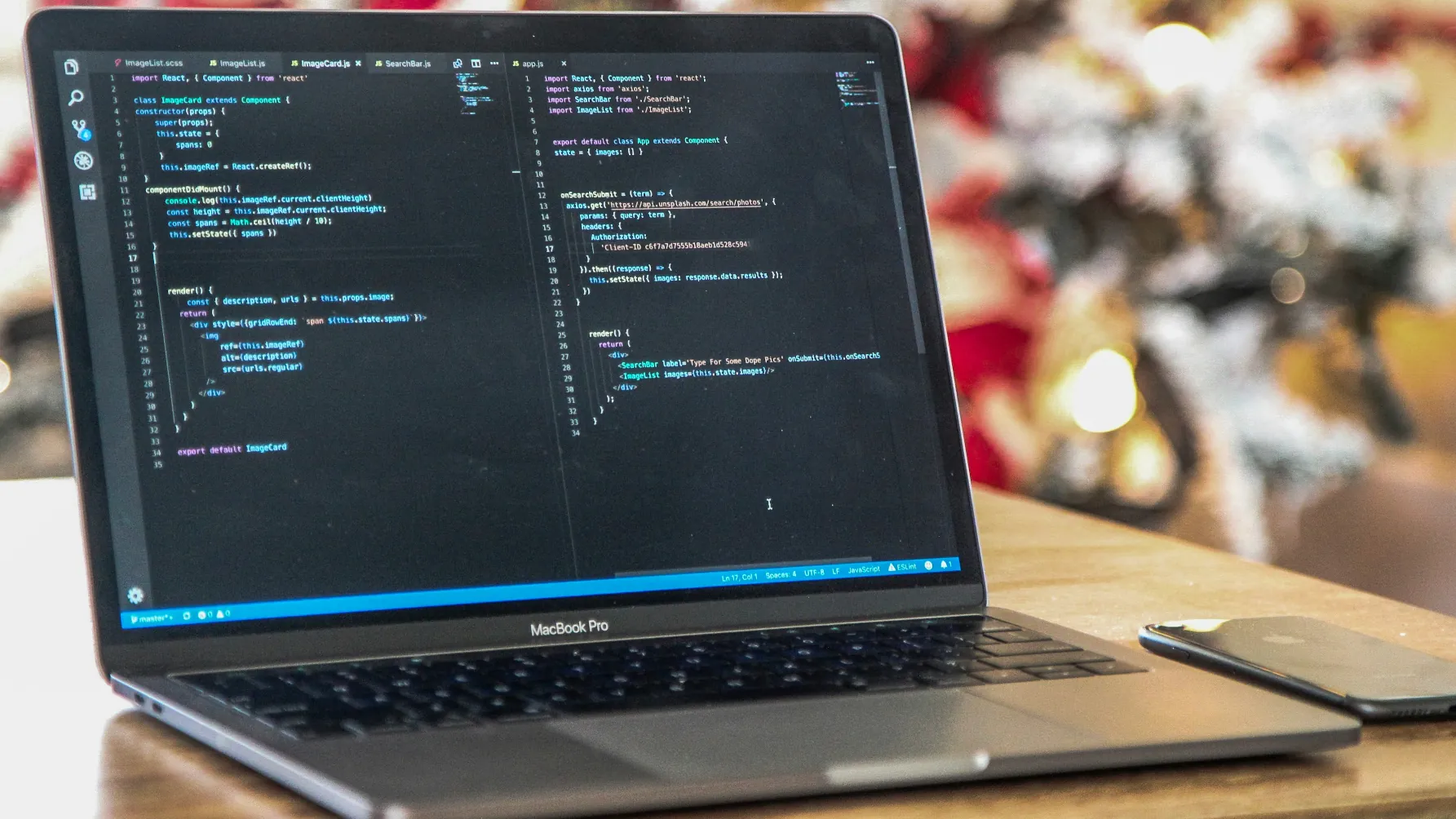
A technical lead conducting a forensic AI readiness audit, analyzing source code and site architecture to optimize for AI model crawling and knowledge graph integration.
200+
Technical checks
4wk
Delivery time
1st
Step for every engagement
What It Is

Your strategy is only as
strong as your foundation.

The best content in the world won't rank — and won't get cited by AI — if technical issues prevent search engines and AI crawlers from accessing, understanding, or trusting it. Our Technical AI Readiness Audit is a comprehensive forensic analysis of every layer that matters, followed by a prioritised roadmap your dev team can action immediately.

This is the first step of every SIGNAL engagement. We don't build on shaky foundations. Before any content or GEO work begins, we need to know exactly what technical issues might undermine it — and fix them first.

What You Get

200+ checks. One
actionable roadmap.

01
Full Site Crawl & Architecture Audit

Deep crawl analysis covering indexability, crawl depth, internal linking flow, redirect chains, duplicate content, canonicalisation issues, and crawl budget inefficiencies — everything affecting how efficiently search engines can process your site.

02
AI Bot Crawlability Analysis

We test whether Googlebot, GPTBot, PerplexityBot, ClaudeBot, and other AI crawlers can access and index your key content — and identify any robots.txt rules, headers, or server configurations blocking AI training and retrieval access.

03
Core Web Vitals & Page Speed

LCP, CLS, FID/INP analysis across your top templates with developer-ready fix specifications. Google's page experience signals remain a significant ranking factor and affect how content is weighted in AI Overview selection.

04
Structured Data Health Check

Validation of all existing schema markup, identification of missing schema opportunities across your content types, and a complete implementation spec for the high-impact structured data types your site should be using.

05
JavaScript SEO Audit

Analysis of how your JavaScript-rendered content is processed by search engine crawlers — critical for SPAs, React/Vue/Angular sites, and any pages where key content is loaded dynamically after initial page render.

06
Prioritised Remediation Roadmap

Every finding categorised by impact and implementation effort, with ready-to-use tickets for your dev team. We tell you exactly what to fix, in what order, and why — so you can start immediately rather than spending weeks interpreting findings.

The Process

A four-week forensic process.

Week 01

Crawl & Data Collection

We deploy our crawler stack across your full site, collect server logs if available, pull Search Console and GA4 data, and run Lighthouse audits across representative page templates.

Week 02

Analysis & Triage

Every data point is analysed and cross-referenced. Issues are identified, impact-assessed, and triaged against your specific goals and current performance baseline.

Week 03

Roadmap Build

We transform findings into a structured remediation roadmap: prioritised by impact, estimated by effort, and formatted as developer-ready tickets your engineering team can pick up directly.

Week 04

Delivery & Briefing

Full audit document delivered, followed by a live briefing session with your team — walking through findings, explaining priority decisions, and answering implementation questions.

Results

What the audit unlocks.

200+
Checks performed

Our audit covers more than 200 discrete technical checks across crawlability, indexation, page experience, structured data, JavaScript rendering, and AI accessibility.

4wk
From kick-off to roadmap

Four weeks from access to delivery — including full crawl analysis, structured data audit, Core Web Vitals assessment, AI crawlability testing, and the complete remediation roadmap.

100%
Dev-ready ticket format

Every finding is delivered as a developer-ready ticket — not a list of problems to decode, but a set of specifications your engineering team can implement immediately.

"signAI's technical audit found 14 issues our previous agency had missed for over two years. Fixing them drove a 40% improvement in crawl coverage and our rankings recovered within 3 months."
CTO, Series B SaaS Platform
Who It's For

The audit delivers the most
value for these situations.

Rankings plateaued

If content investment hasn't moved the needle, the problem is almost always technical — either crawlability issues preventing indexation or authority signals being diluted across duplicate or thin pages.

Post-migration recovery

Site migrations are the leading cause of sudden ranking losses. Our post-migration audit identifies every redirect gap, canonical issue, and crawl problem introduced during the move — and provides the fix roadmap to recover.

Algorithm penalty recovery

If a Google algorithm update hit your site hard, a technical audit is the diagnostic tool that identifies what changed, what violations were triggered, and what remediation is needed to recover.

Pre-launch preparation

New sites and redesigns: get the technical foundation right before you launch rather than diagnosing problems after the fact, when they've already cost you months of organic momentum.

Enterprise legacy sites

Large sites that have accumulated years of technical debt — accumulated redirects, CMS migrations, structural inconsistencies, and schema proliferation — need a systematic audit to untangle what's holding them back.

First step before any work

The Technical Audit is the mandatory first phase of every SIGNAL engagement. Before we invest in content or GEO, we need to know the foundation is solid enough to support it.

Common Questions

Technical audit
questions answered.

What access do you need to run the audit?
We need Google Search Console access (read-only), GA4 access (read-only), and server log files if available. We don't need CMS or hosting access — our crawler handles the technical discovery independently. For JavaScript-heavy sites, we may also need a staging environment URL.
How large a site can you audit?
We've audited sites from 50 pages to 5 million pages. For very large sites, we audit a statistically representative sample of page templates rather than every URL — which provides the same diagnostic value at a fraction of the crawl time, with findings that apply across template types.
Do you fix the issues or just identify them?
The Technical Audit produces the diagnostic and the roadmap. For the implementation, we can either work with your existing engineering team (providing dev-ready tickets) or, for ongoing clients, we can manage implementation directly as part of a retainer engagement. Most clients prefer to brief their own engineers using our tickets.
How is AI crawlability different from standard SEO crawlability?
Standard SEO crawlability focuses on Googlebot access. AI crawlability also considers the bot rules for GPTBot, PerplexityBot, ClaudeBot, and other AI training crawlers — which have different user-agent strings and may be blocked by overly broad robots.txt rules that weren't written with AI crawlers in mind. We check both.
Related Services

The Technical Audit pairs
with everything we do.

Start with the
right foundation.

Book your Technical AI Readiness Audit — four weeks to a complete picture of your site's technical health and a dev-ready roadmap to fix every issue we find.

Book a Technical Audit → See all six services →